Showing posts with label Blockbusters. Show all posts

Wednesday, December 29, 2021

2021 was a Year of Great Auteurs and Terrible Box Office Results

To those who don’t follow the box office, it might seem like the pandemic has dealt a blow to movie theaters but the numbers have shown for quite a while that films have been in jeopardy for a few years now.


The blockbuster business model of films has geared towards blockbusters and that disincentivised films from prioritizing quality. For one, the emphasis is generally on making money opening weekend. A film might make half its money opening weekend (generally enough to break even) before audiences realize it’s not that good. It’s a curiosity that film critics even devote their time to big releases when audiences will realize a film’s a dud before it’s too late.

I often cite 2002 as the year things changed because the original Spider-Man became the first film to gross $100 million in a single weekend. Believe me, it wasn’t just me looking at a newspaper and realizing “eureka! We’re in a new era.” A lot of press was written about this milestone (which Google News hasn’t been that generous in preserving). Ironically, some of the films that topped the top ten that weekend were Changing Lanes (a thriller starring Samuel L Jackson and Ben Affleck), The Scorpion King (a Dwayne Johnson film) and The Rookie (a sentimental sports movie).

Tragically, very few films would survive in today’s market. A sports film (particularly the Kevin Costner kind) but it’s chances are slimmer, especially in today’s market.

Dwayne Johnson still makes films but they’re board game and Disney ride adaptations in the case of Jumanji and Jungle Cruise. Which brings me to the point that even tired and tested brands and genres like those mentioned above might not get financed if they’re price tag is too expensive. The only thing that sells today is what’s known as Intellectual Properties or IPs which translates to films made from a past property whether a sequel/prequel/reboot/remake of an existing film or an adaptation of a highly popular comic/TV show/broadway show/book (i.e. Harry Potter, Twilight, Hunger Games, 50 Shades of Gray). In fact, in the year 2016, only 2 films out of the top 20—La La Land and Hidden Figures—were original films.

One way around this is to hire visionaries to get an intellectual property and make it their own like Christopher Nolan, Sam Mendes, and Taiki Wahiti have done. Paul Schrader, the screenwriter of the classic film Taxi Driver, wrote and directed the brilliant film First Reformed with Ethan Hawke to the tune of $3.4 million. Director Todd Philips had much better luck when he used Taxi Driver as a heavy influence on his (marginally) comic book based film The Joker for a film that grossed roughly 100 times that amount.

This phenomenon is known as the death of the mid-range film which many people have written about:
Is the Mid-Budget Movie an Endangered Species?

This all came to a head when mega-influential director Martin Scorsese penned an essay attacking the multi-headed beast of Marvel for ruining movies.

Which Brings Us to 2021

I keep track of a list of directors I've seen 4 or more films of. Last year, of the around 45 films I saw only 2 directors that met that benchmark (Ron Howard-Hillbilly Elegy and Chris Nolan-Tenet) and very few other notable names who I just hadn't seen enough of like Lee Daniels (Billie Holiday), Charlie Kaufman (I'm Thinking of Ending Things) and Paul Greengrass (News of the World)...most films I saw were by directors who were making a film I'd seen for the first time. I think (though I could be wrong) that studio money going to trusted film makers is going down and you just have to watch a lot of indie stuff on streaming to not get typical franchise stuff. However, this year that number ballooned to 8 out of only 34 films I've seen so far*. Additionally, there are so many artistically-renowned directors that I haven't yet seen or might not see--Mike Mills, Paul Thomas Anderson, Joel (without Ethan) Coen, Chloe Zhao, Pablo Sorrentino, Pablo Lorrain, Guillermo del Toro, Peter Jackson, Sean Baker—that it's a remarkably rich slate. A few years ago with David Fincher and Steven Soderbergh moving to TV and aging masters like Mike Nichols, Francis Ford Coppola, and Jonathan Demme struggled mightily with the studio system.

Now whether they're streaming or in a theater, I'm not sure if we can declare movies dead just yet if visionary filmmakers are being able to get their visions met. This has been a great year for movies.

Most industry insiders treat Steven Spielberg’s 1975 film Jaws (followed by his friend George Lucas’s 1977 film Star Wars) is ground zero of blockbuster culture.

Spielberg’s near-impossible feat of remaking a classic--West Side Story—and turning it into an entirely new classic puts him in the category of auteurs behind this year’s wave of greatness.

However, like great auteurs in this day and age he also has no place in the new sad era of the blockbuster. Instead, it’s once again Spider-Man which grabbed those headlines with another record-breaking gross even in the age of the pandemic.


Tuesday, August 24, 2021

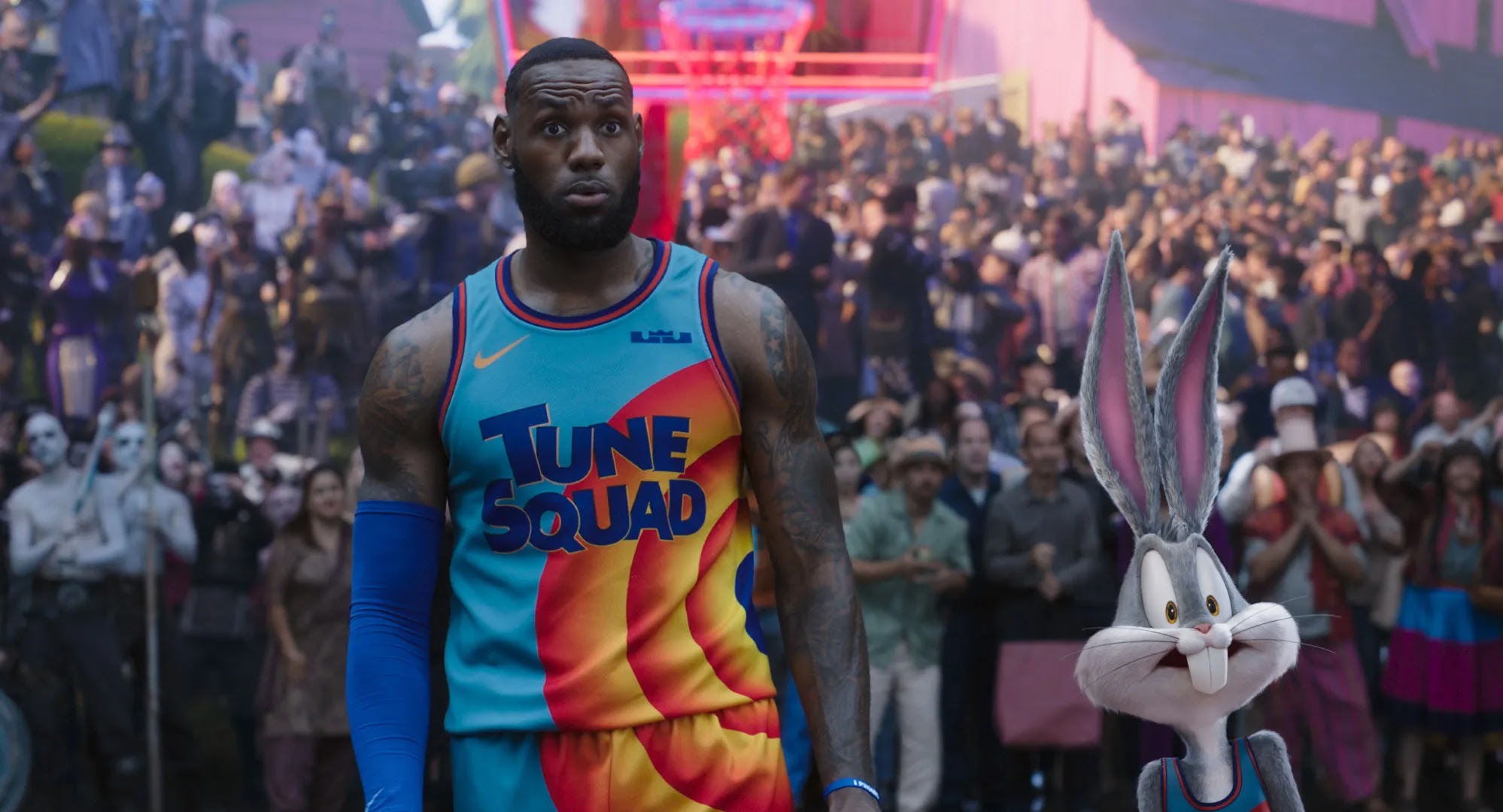
Big News: I Found Four Non-Superhero Films on the Big Screen (Cruella, Jungle Cruise, Free Guy, Space Jam 2)

It’s pretty apparent to most of us, that the pandemic changed the movie-going experience with tent poles (surefire blockbusters that carry a studio’s financial risks) having to navigate to premium streaming in an effort to recoup their costs.

As a result, there’s even less money to be made at the box office now unless the film appeals to a broad audience. In other words, a film has to either have action/explosions, appeal to kids, based on a familiar source (known as intellectual property), or some combination of the three. This has been going on for some time as even epics shot for the big screen by Martin Scorsese, Fernando Meirelles and Alfonso Cuaron were relegated to Netflix.

Mid-range films (comedies, courtroom dramas, espionage thrillers, romantic dramas, etc) have even less chance of playing at a movie theater and a larger share than ever before is being dominated by the superhero film which I’m extremely bored of. In light of this, I’m pleased to have made my way to four films so far in 2021 that are not superhero films: Cruella, Free Guy, Jungle Cruise, and Space Jam 2.

Yes, they were clinging to their IP sources as if they were broadcasting to audiences “don’t worry, we’re not going for too much independent thought here. This is still cozy familiarity.” At this point in the degradation of movie going, I’m prepared to accept that Faustian bargain that film makers must strike with their studios and broader audiences so that a decent movie going experience can exist at all.

Furthermore, I think that all these films offer more originals stories than anything that can exist within the confines of a superhero film. Since Robert Downey Jr. bought a snarky take to Iron Man and the more absurd heroes like Ant Man and Aqua Man got their own films, the genre has tried to give enough winks at the audience to create a sub-genre of “superhero film that doesn’t take itself too seriously.”

However, the straight-up parody already exists (Sky High, Mystery Men, the Incredibles) that when I recently saw the superhero parody “Thunder Force” earlier this year, I felt I had seen these comic angles so often—whether in explicit parodies or goofier superhero films –that there was just nothing new to say.


Cruella takes a Disney villain and attempts a sympathetic backstory. In the canonical timeline, she’s crossed what’s known as a moral event horizon by slaughtering dogs and making a coat out of them. The film’s attitude about this seems to be, “um, let’s push that to the back of your mind” focusing more on the mannerisms of Cruella as played by Emma Stone who relishes being handed the villain card. It also helps that Cruella is society’s punching bag before ascending to the top.

The film essentially reveals itself to be a heist film in a game of one-upmanship between two strong-willed players (Stone and Emma Thompson) with Joel Frye and Paul Cole Hauser as stereotypically cockney henchmen. It’s sleek and stylish with some pathos, and for a popcorn film, that’s not bad.

The film’s big problem is not knowing when to end. There were at least 3 or 4 times when I got up as if to leave the theater only to realize the end credits weren’t rolling.

Some might call Space Jam 2 an obligatory sequel, but I like to think that the film’s strength isn’t that it wasn’t so inevitable. The film needed the right star and modern take on the material to justify its existence and those ingredients are essentially met here. Additionally, I’m a sucker for the Looney Tunes and it’s been 18 years since their last film. If Harry Potter or Lord of the Rings characters had to wait that long, there’d be riots.

Rather than a random hole in the ground that leads to a basketball in the center of the Earth, the film (in a not-so-subtle meta-commentary on IPs) takes place across the confines of a server-verse. A handful of scenes intermingles the Looney Tunes characters with Superman and Harry Potter among others, and while they are inevitable, they’re pretty fun.

While some might disagree, Don Cheadle makes a good kid’s villain: The personification of a psychotic algorithm. His motive is simple to understand but encoded (forgive the pun) with an extra layer of depth (he wants attention, isn’t that how algorithms work?).

Granted, LeBron James was a little weaker of an actor than expected, but it is a relatively smart script that gives its actors some latitude.


Jungle Cruise has been criticized as extremely derivative of the Pirates franchise and that’s true, but again, we have to come from the angle of “hey, at least it’s not a superhero film and it’s wide release in a movie theater.”

The film has a lot going for it: Luscious scenery porn from the Amazon basin that doesn’t overuse CGI, the rarely disappointing Emily Blunt, well-choreographed set pieces, a brisk pace, and a fairly deep love story that works. To the latter point, others have commented on the lack of chemistry between Dwayne Johnson and his leading ladies. On paper, however, the character movements between the two protagonists are set up well enough to where their choices eventually reach into “aww, I need a kleenex” territory.


Free Guy is set in the universe of gaming which some might consider low-brow. If the frames weren’t so cluttered with graphics, I surmise it might favorably compared with good sci-fi or even fiction deconstruction classics like The Truman Show and Pleasantville.

While that might be high praise, the story--an NPC in a Grand Theft Auto style video game who gets triggered by the programmer’s love interest into sentience and is called upon to save his fellow secretly sentient NPCs from extinction—is ambitious and, more importantly, air tight in its world-building. If people get into the experience, this could be one of the most discussion-worthy films of the year.

Jodie Comer does impressive double-duty as a frumpy computer developer and a stealthy action heroine and it’s all the more impressive that the film juggles two love stories with her character that both work.

On the commercialization side, I was pleased that the film worked as an air-tight story that doesn’t necessitate a sequel. Whether they milk one out of it is a different story.


Saturday, December 24, 2016

Notes on the Empire Magazine Top 300 Poll


In 2014, Empire Magazine compiled a reader poll of the 301 greatest films of all time  (you can play it in quiz form here, the list is unavailable but the final composited total is here).

 Here are some notes on the list:

  1.   The Empire subscriber base is likely dominated by film aficionados who came of age in the 1990s. This can be seen in the high rankings of the films of Quentin Tarantino’s and Frank Darabont’s films, the ranking of Scorsese’s 1990 film “Goodfellas” over his earlier masterpieces, the high rankings of “Fight Cub,” “The Matrix” and the fact that Kevin Smith is even mentioned at all, shows that this is likely a group of voters that primarily came of age during the 1990s. Tarantino’s debut “Reservoir Dogs” (which didn’t really bring anything to the table that “Pulp Fiction” would do two years later) clocks in at #75. Additionally, David Fincher’s hits “Se7en” and “Fight Club” and the David Fincheresque “Usual Suspects” all place extremely high.
  2.   It’s also worth noting that after the big triumvate of “Raging Bull” “Taxi Driver” and “Goodfellas”, the only other pre-2000 Scorsese work listed here is “Casino” which isn’t particularly memorable unless you were forming your filmic vocabulary in that decade. A more preferable choice for a film that defined Scorsese pre-2000 is “Mean Streets.”
  3.  This is clearly a male voting body that grew up in the 1990’s. Tarantino and Fincher’s 90’s work are both hyper-masculine celebrations of violence whereas heady science fiction stuff like “Contact” gets ignored in favor of something like “The Matrix” which revels in bullets and special effects. Romantic comedies and musicals are both given much less weight than they would ordinarily. Among the older Westerns, the 1969 film “Butch Cassidy and the Sundance Kid” makes the cuts which is a celebration of masculine strength. Another 1969 film which won the best picture that year and generally does about as well on these kinds of lists, “Midnight Cowboy” gets omitted entirely and that’s a film that celebrates masculine weakness. Well-regarded films such as “Ghost” or “In the Name of the Father” from the time period where many of the films are skewed towards stand no chance of making it. "English Patient" is another outliar. I might say the same about the 2012 version of "Les Mis" but as Key and Peele reminded us, it's got Wolverine in it.
  4.  Then again, Tim Burton who was one of the most successful film directors of the decade in terms of box office pull, innovation, and cultural clout seems to have retreated from memory. Edward Scissorhands clocks in at 170 while his masterpiece “Ed Wood” isn’t even mentioned at all. Batman is 288 and that’s more likely due to the presence of superhero tastes than Burton’s touch. Perhaps, his gothic flights of imagination are easier to get invested in as kids and  they detached from him as an adult despite the fact that “Big Fish” (which ranks on IMDB’s Top 250) and “Ed Wood” are both considered great films that aren’t particularly relevant to a children’s audience.
  5. One would think that a year later in the post-truth era, movies that either champion political truth like “The Candidate,” “All the President’s Men” or “Spotlight” or that satirize news absurdity like Elia Kazan’s “A Face in the Crowd” or “Network” might rise a bit in the rankings. “All the President’s Men” and “Network” are both on AFI’s Top 100. “All the President’s Men” doesn’t even make the list!
  6. It’s also clear that this voting body has been selectively exposed to the past. “Scarface” makes the list because the poster is on everyone’s dorm room. “It’s a Wonderful Life” and “Wizard of Oz” our TV staples around Christmastime whereas Frank Capra’s other masterpieces don’t make the cut. Similarly, “Cool Hand Luke” has become a very quotable film and as such beat out 1967 films such as “Bonnie and Clyde” and “In the Heat of the Night” that had previously ranked higher on many lists. And don’t forget the cannon of John Hughes whose films are popular at summer parties and clubs.
  7.  It seems the artsier the group of film experts, the more dismissive they are of Spielberg. However, if you’re pragmatic enough to realize that Spielberg’s films are as essential as Sergio Leone, David Lynch, Martin Scorsese, and Quentin Tarantino. Whereas “Schindler’s List” ordinarily tops these types of lists, these voters selected “Jaws” and “Raiders of the Lost Ark” 8th and 9th. “Schindler’s List” represents Spielberg’s high-brow ambitions, whereas “Jaws” and “Raiders” represent Spielberg sticking to his forte.
  8.  For a voting body that rewards the hyper-violent and special-effects laden, it is refreshing to see a couple of Terrence Malick’s films make the list in “Tree of Life” and “New World.” His films stand entirely against any cinematic trends to make narratives faster and tighter.
  9. Old-school blockbusters like "Superman" "Star Trek II: The Wrath of Kahn" and particuarly "Die Hard" finally get their due as smartly made blockbusters unashamed to dig into their deep mythologies. I know this is hard to believe but some 15 years ago, there was virtually nothing indicating "Die Hard" was a classic among any serious segment of the population. This also could explain Tim Burton's "Batman" making the list.


Friday, March 18, 2016

Are the Oscar Best Picture Picks Duds? Defending the Academy

As long as there are movie fans and those movie fans have access to the internet, you will always hear complaining that the Oscars get it wrong. I'm not sure if it's a non-conformist streak in my character or a love for playing devil's advocate, but I often like to take the opposite point of view that by golly, those Oscars often get it right like no one else!
One thing people need to acknowledge by the very nature of its large membership, a voting  body like AMPAS will naturally veer more towards some kind of consensus with few extremes. If you put the 1,000 most vocal critics of the Oscars in a room and asked them to vote for their Best Pictures of the year, I would bet money that their most idiosyncratic choices would cancel each other out and you would be left with the commonalities like The Martian, The Revenant, and Spotlight. 
When we look at the main criticisms leveled at the Academy, the same contradictory criticisms often pop up: They either don't reflect the views of the public, or they don't acknowledge the more experimental fare below-the-radar. Otherwise, everyone points to a few bad choices over the years and just uses that as proof that the Academy is terrible.
Personally, I think the Best Picture nominees in the past few years do a good job of balancing populist picks, artier films, ambitious experimental stuff, and straight genre stuff that's done well. I wouldn't want them to go too indie because I feel like films should resonate with the public and even if the best film by critics' views was something that screened for two weeks in Toronto and Tribeca, it's not something the public will enjoy being a part of on Oscar night.
So here's my expanded case:
For the Populists:
  • Avatar is the highest grossing film ever and it got nominated, and ET, Exorcist, Sound of Music, Godfather, and Titanic were all box office record breakers of some sort.
  • Nominees Rain Man, Forrest Gump, ET, Saving Private Ryan, Avatar, Toy Story 3 and American Sniper were all the top grossing film of their year
  • Nominees Martian, American Sniper, Gravity, Zero Dark Thirty, Argo, The Help, True Grit, Social Network, Toy Story 3, True Grit, Inception, District 9, Up, Blind Side, Avatar, and Ingloruious Basterds all won their opening weekends in the 10-picture era
  • Among others that haven't made any of those lists list Mad Max: Fury Road, Spielberg's films (War Horse, Lincoln and Bridge of Spies), Wolf of Wall Street, The Artist, and The Fighter have all been crowd-pleasers
For the art house crowd:
  • Films like Beasts of the Southern Wild, Amor, District 9, Brooklyn, Winter's Bone and Room were all films that had very, very little chance at finding a widespread audience before Awards Season boosted them.
  • Nearly every popular visionary film director out there: Michelle Haneke, Wes Anderson, Thomas McCarthy, Richard Linklater, Steve McQueen, Kathryn Bigelow, Lisa Cholodenko, Christopher Nolan, David Fincher, Darren Aronofsky, the Coen brothers (4 times) and Neil Blokamp have all gotten a turn at the bat with Best Picture nominations. A few years ago, you could have said, some of the more interesting film directors like Wes Anderson or Alfonso Cuaron or Richard Linklater have never been nominated. But no longer.
  • Last year, you two films that had never been done before stylistically in Boyhood and Birdman and this year Revenant and Room were both stylistically very original.
For the socially-conscious crowd:
  • Six films in the expanded BP era-Selma, Precious, Help, 12 Years a Slave, Beasts of the Southern Wild, and Blind Side- have had black narratives and black casts and the majority of those have had a black director. Each of those black directors got a major boost that allowed them greater creative freedom on their next projects.  While one can conceded that  Blind Side might be geared toward glorification of the white protagonist in the story at expense of the black protagonist, that is not the case with the other five films. I would also argue that Blind Side does teach us  something about the black experience. After all, Michael Oher (the film's subject) is a real person.
  • Another nominee, Life of Pi, tells a story set in another 3rd world region: South Asia.
  • Three of this year's eight films feature a woman protagonist
  • Spotlight is about a struggle against the ultimate patriarchal society. Big Short is about the uneven distribution of wealth and economically disadvantaged.
  • Last year, we had a film about a physically disabled person, a film about a gay person, a film with a black theme, and a film about a broken family
  • The year before, we had a feminist film (Philomena), a film about transgender righs (DBC), a film with a black narrative, an action film with a female protagonist (Gravity), a film taking place in the 3rd world with an illuminating look of the struggles of people in the Global South (Captain Phillips), and another film about the effects of the rich on the financially disadvantaged (Wolf of Wall Street)
  • Of the last six Oscar-winning directors, one has been a woman, four have come from a non-English speaking country, one has been East Asian, two have been Mexican

Wednesday, October 22, 2008

Artistic integrity can't interfere when tentpoles are at stake

Three is no longer the fitting number for movie sequels when it comes to maintaining artistic credibility. It's now a matter of how long the studios can keep making money from these sequels because Hollywood is just too addicted to tent poles and the instant stream of revenues they create to be able to maintain any artistic integrity anymore. What comes to mind when I say this is the fact that Shrek, Spiderman, and Pirates of the Carribean are all going to be releasing a fourth installment of their series in movie theaters, despite the fact that despite great starts and sophomore outings, most critics and viewers agree the franchises all sputtered out of gas by the time they hit the back-ends of their trilogies.

What most viewers don't know is that except for the two Star Wars trilogies (the prequels and the originals), Shrek, Pirates of the Carribean and Spiderman have been the three biggest trilogies ever to hit the box office, boasting a combined four films in the top 10 highest-grossing films of all time and 8 in the top 30, so far. Even when the quality of their films declined heavily in poorly reviewed third installments, they were still able to gross monstrous amounts based on name recognition alone, when viewers set massive opening weekend records in May of 2007 when all three film trilogies came out. Before anyone qeven had time to tell their coworkers when they got back to work on Monday, just how bad the films were, these films made their money back in three days, and that's likely what will happen when the franchises come back again in part IV, until people wisen up and break their moviegoing habits.

Even worse in this trend is that studios can't afford to give their star properties much breathing room anymore. Look at The Incredible Hulk, Star Trek, James Bond, Batman and the previously mentioned Pirates of the Carribean in comparison to Star Wars and Indiana Jones.

Indiana Jones and Star Wars were films that essentially stopped after their stories were done being told. Due to fan demand and an appropriately long enough hiatus, these two franchises came back 16 years later in the case of Star Wars and 19 years later in the case of Indiana Jones. Part of the justification was that the stories could be introduced to a new generation. Although neither one of these franchises were particularly good when they were rebooted, one can't deny that the hype, anticipation, and ultimately, their opening weekend grosses, were far greater than that of any of the films in the first category.

In the first category of films, there was virtually no time to wait until a generation had passed. Hollywood tides move much faster than they used to and no one can afford to wait 15 or more years to not capitalize on a hot property of theirs. Thus we have:
-James Bond rebooted after a measly four years (Die Another Day 2002-Casino Royale 2006)
-Star Trek reappearing in theaters after only a 7 year break (Nemesis, 2002) and a 4-year break since the Star Trek franchise dissapeared on TV (Enterprise in 2005)
-Batman taking only a seven year break between Batman and Robin (1999) one of the decade's biggest failures and Batman Begins
-Hulk rebooting after only a five-year break without even pretending to be any sort of sequel or prequel. It was simply marketed as a "do over."
-Pirates of the Carribean set to appear only three or four years after Pirates of the Carribean III was lampooned by most critics

Sunday, May 04, 2008

If you check the news on most internet outlets or listen to the radio right now), you'll see news about the film Iron Man having had a $100 million plus weekend. Specifically, boxofficemojo has the number at about $750 thousand over the 100 million mark. This is somewhat of a big deal as only a small handful of films have ever grossed that much in a 3-day period. Spiderman was the first to do it in 2002 and since then, I believe 6 other films have done it (Matrix Reloaded, Pirates of the Carribean II and III, Star Wars III, Shrek II and Spiderman III, correct me if I'm wrong).

Does anyone ever wonder how the reports of the box office weekend can come out before the weekend is over? Movie theaters around the country are just beginning to close at this hour and the general managers are counting up the revenue produced at the box office for the day. That's an entire third of the weekend. Well, what actually happens is that the box office gurus predict the weekend count based on Friday and Saturday's take and extrapolate for what Sunday is supposed to be. On Monday afternoon and even on Tuesday, studio estimates will continually be updated as returns come in. So the actual figure of whether Iron Man grosses $100 million dollars is a very loose figure, but it still is one that newspapers will take and run with tomorrow morning. Keep in mind, the actual figure could be higher or lower than the current estimate, but either way, $750 thousand is a small enough margin of error, that newspapers should mention because if they don't, it wouldn't be an entirely honest headline that will line the top of the arts/style/life sections of newspapers nationwide tomorrow morning.

So whatever happens, Iron Man is pretty much now a hit and has made history as the first non-sequel film since Spiderman to gross $100 million in a single weekend, even if it really hasn't. Five years ago, Matrix Reloaded was given a very low exit score by dissapointed viewers walking out the theater, and it's not particularly well-remembered today but as far as the studios are concerned, it will always be known as a commercial success for its historic first weekend and history is likely to repeat itself tomorrow morning.

On a side note: The opening number for a weekend box office gross is very important, as movie theaters make a mid-week decision as to what to run the following week, based on weekend box office figures. As a result if a film doesn't have a good opening weekend, it haseven less of a chance of doing well the second weekend and each subsequent weekend thereafter, so be sure to see a film you want to support between Friday and Monday.

Friday, December 28, 2007

10th Anniversary of the Titanic: Titanic Review

This is an essay I wrote on the Titanic in a film class that I think might be one of the best things I've ever written on films: Titanic as the collision of two worlds

Titanic was a monumental blockbuster that shattered box office records in 1997 and 1998 and was hailed as a critical success. However, the picture has been forgotten and dismissed as a very lucky yet unremarkable blockbuster, in the wake of the overload of big-budget pictures that have come along in the last few summers and holiday seasons. Titanic, at 3 hours and 14 minutes, is really two pictures rolled into one. For the latter two hours, it is a disaster movie that marvels in special effects, tense situations, and showdowns heroes and villains who are defined by how they chose their fate in one of history’s most famous moments.

For the first hour and a half, however, Titanic is a story about the traditional rags-to-riches myth, as epitomized by the character of Jack Dawson. The rags-to-riches myth, coined by Horatio Alger in essays about Americana, is about the man who can rise to success from humble beginnings to gain wealth and ingenuity. Dawson, dressed in period blue-collar clothes, wins a ticket on board the Titanic in the most capitalist of ways: a combination of wit, luck, skill and a willingness to invest his money into a poker game. He demonstrates ingenuity in his ability to be act under pressure in the scene where he saves Rose’s life. In contrast, his nemesis Cal is unable to react with anything but anger, frustration, and even bouts of violence when he faces an unexpected turn of events. Also, Dawson and his friends in third class are a metaphor for the “melting pot” of America with different cultures converging together. Dawson’s traveling companion, Fabrizio, is a stereotypical Italian and they room with Germans. Another example is from the juxtaposition of scenes between the formal dinner in the stateroom and the party on the lower deck.

On the lower deck, the third class passengers are very active as they create their own eclectic brand of music and dance to it, while the dinner guests on the promenade are passive spectators to a string quartet.

The rags-to-riches myth embodied by Jack Dawson, is contrasted by the antiquated class-stratified society of Europe that the American dream was born out against, symbolized by characters like Rose’s mother and Cal. The film characterizes these people as being obsessed with appearances as well as being lazy and unwilling to work. Rose’s mother is a widow explains to her daughter that all they have are, “bad debts hidden by a good name,” and is desperate to marry her off because she doesn’t want to have to work as a seamstress.

Thus, she and her friends were always concerned with looking proper and maintaining appearances. For instance, Cal disapproves of Rose’s choice of art, maybe because he doesn’t like it but also out of defensiveness. Cal doesn’t want to empower any art or artists outside the accepted conventions, which he would have been doing by buying their work.

In fact, the concern of the rich to keep the poor out is symbolic of the Titanic itself. Besides, the obvious metaphor of the passengers being divided by class, there’s also the fact that Jack would have never been accepted onto the promenade without the help of Molly Brown, an insider, who gave him clothes (again, the theme of appearance resurfaces). The upheavel over Jack’s romance with Rose is because he’s seen as someone who threatens to infiltrate their world.

The Titanic is usually seen as a fascinating trinket in history regarding man’s overconfidence in technology and the power of nature to destroy something which man once thought was invincible. However, director James Cameron portrays Titanic as something more than a story about a shipwreck. To him, Titanic was an inevitable collision between those two worlds. The Titanic’s mistake wasn’t that the watchman didn’t spot the iceberg soon enough or even hitting the iceberg, for that matter, because the Titanic would not have been remembered nearly as well if everyone was evacuated to safety. The Titanic took aboard 3rd-class passengers, to maintain the illusion of a harmonious society but that illusion was exposed by the fact that they didn’t provide enough lifeboats for them and they perished which made bigger headlines than any of the Titanic’s accomplishments in engineering ever did.

This is all the more ironic when you consider that the ship’s designer explains in the film that they didn’t put enough lifeboats on board because he didn’t want to clutter up the deck, a most literal concern with appearances. Once the ship hits the iceberg, the drama plays out through images that echo this theme. One of the most emotionally moving images is of a string quartet playing to their deaths so that the rich will have something pleasant to listen to as they board their lifeboats is great. The primary concern, once again, was to keep life pleasant for the upper classes at the cost of the safety of the lower classes.

The Titanic was a ship bound for America and that is both literal and symbolic: that antiquated era of class lines would end soon, and the bright spot of the movie is that somehow Rose survives into that new era. The line in Celine Dion’s song “I feel you in my heart forever, my heart will go on,” suggests that it was through meeting Jack Dawson and absorbing his vision of what America is today that she was able to chose the right path (not with Cal who would later shoot himself) when she got off the boat.

Thursday, June 21, 2007

A breakdown of must-see movies this decade

Some of my responses to this article that I made in response to the flooding of views and negative comments I received today in response to this article being selected to the imdb.com hitlist can be found here:
http://sophomorecritic.blogspot.com/2007/06/in-response-to-my-article-on-must-see.html


I think this would be a great topic to debate so i'd love to have everyone contribute your thoughts and lists:

I think that there are movies that are just must-see films. I think since pop culture is getting so much more scattered these are fewer than before. At the same time, there is no current shortage of production resources, in terms of gifted actors, writers and directors; and studios are so market-saavy that they try to market a greater variety and greater volume of their films as must-see films. I'm gonna throw out a list of films which I feel one has to see to consider themselves culturally literate. I haven't personally seen all of these, but at the same time, my film literacy suffers if I miss any of them. For example, I couldn't figure out why Mark Wahlberg is becoming more of a visible star if I haven't seen Departed, I couldn't understand what people are referring to with their Borat jokes and immitations if I haven't seen them onscreen, I couldn't tell you if all five Oscar nominees deserved their nominations without seeing them, and I couldn't render an opinion on whether Entertainment Weekly Magazine were out of their minds when they listed Children of Men as one of the top 25 sci-fi phenomenons of the last 25 years without having seen the film.


My criteria is based mostly on what drew people to the movie theaters at the time the films were released and not as they pertain to whether people needed to see the films on DVD:
-Films that generate a lot of water cooler buzz (either controvoursey, topics of interest, or good word of mouth
-Films that are nominated for Oscars or get strong consideration for Oscar nominations, or in other words.....
-Films which are considered to be of good quality (an oversimplification of this is very good critical acceptance)
-Films which are considered to have a quality performance (acting, directorial, or in rare cases screenwriting

-Sequels/Prequels and other tent poles
-The hype which precedes Blockbusters and/or their how contagious they can be once they start breaking records

-Adaptations of some big play, book, or movie (can also be a remake)


2006:
Babel-Quality, Oscar nominee, Performance (acting: Pitt & directorial: Inarritu)
Queen-Water cooler buzz, Oscar nominee, Quality, Performance (acting: Mirren)
Little Miss Sunshine-Blockbuster, Water cooler buzz, Quality, Oscar Nominee
Flags of Our Fathers-Sequel, Performance (directorial: Eastwood)
Letters from Iwo Jima-Sequel, Water Cooler buzz, Quality, Performance (directorial: Eastwood)
Departed-Oscar nominee, Quality, Blockbuster, Performance (acting: DiCaprio, Wahlberg and Nicholson & directorial: Scorsese)
Dreamgirls-Oscar contender, Quality (acting: Hudson and Murphy), Blockbuster hype, Adaptation
Da Vinci Code-Water cooler, Blockbuster, Adaptation
Pan's Labyrinth-Performance (directing: Guillermo del Toro), Quality, Oscar contender
Children of Men-Performance (directing: Cuaron), Quality, Oscar contender
Borat-Water cooler buzz, Quality
Casino Royale-Sequel, Quality, Performance (a in Daniel Craig), Blockbuster Hype
Last King of Scotland-Performance (a in Forrest Whitaker)
X-Men 3-Blockbuster, Sequel, Water cooler buzz
Superman Returns-Blockbuster, Sequel/Prequel
Devil Wears Prada-Quality, Performance (acting: Meryl Streep), Adaptation, Water cooler buzz
Prairie Home Companion-Performance (directorial: Rob Altman)
Blood Diamond-Water cooler buzz, Oscar contender
United 93-Quality, Water cooler buzz
World Trade Center-Water cooler buzz
Inconvenient Truth-Quality, Water cooler buzz
V for Vendetta-Quality, Performance (directorial: McTigue)

2005:
Brokeback Mountain-Quality, Oscar Nominee, Performance (a: Heath Ledger), Water Cooler Buzz
Munich-Quality, Oscar Nominee, Performance (d: Spielberg), Water cooler buzz, Blockbuster
Crash-Quality, Water Cooler buzz, Oscar nominee
Capote-Quality, Performance (a: P.S. Hoffman), Oscar nominee
GN&GL-Performance (a: Strathain and d: Clooney), Oscar nominee, Quality
Squid and the Whale-Quality
Sin City-Water cooler buzz, Performance (d: Rodriguez and Tarantino)
Star Wars III-Sequel, Blockbuster hype
Producers-Adaptation
Constant Gardener-Performance (d: Fernando Meirelles), Quality
Match Point-Quality, Performance (d: Woody Allen), Water cooler buzz, Oscar contender
King Kong-Blockbuster, Performance (d: Peter Jackson), Water cooler buzz, Adaptation, Quality, Oscar contender
Syriana-Oscar contender, Water cooler buzz
Chronicles of Narnia-Blockbuster, Water cooler buzz
New World-Performance (d: Terrence Malick)
History of Violence-Quality
40 Year Old Virgin-Quality, Water cooler buzz, Performance (director/writer: Judd Apatow)
Wedding Crashers-Water cooler buzz
Star Wars III-Sequel, Blockbuster
Serenity-Quality, Adaptation
Charlie and the Chocolate Factory-Adaptation, Blockbuster
Fantastic Four-Adaptation, Blockbuster
Batman Begins-Quality, Prequel/Sequel, Water Cooler Buzz
Harry Potter and the Goblet of Fire-Performance (acting: Ralph Fiennes), Sequel/Prequel, Adaptation
Walk the Line-Sequel/Prequel*, Performance (acting: Phoenix and Whitherspoon), Oscar contender
March of the Penguins-Quality, Water cooler buzz
Hustle and Flow-Performance (a: Terrence Howard), Water cooler buzz
*Walk the Line was not a sequel to anything, but it sort of rode the wave of musical biopics originally started by Ray


2004:
Sideways-Quality, Oscar nominee, performance (d: Alexander Payne)
Ray-Performance (acting: Ray Charles), Oscar nominee, water cooler buzz
Aviator-Performance (directorial: Scorsese and acting: DiCaprio), Quality, water cooler buzz (over whether it would be Scorsese's year or not), Blockbuster
Finding Neverland-Performance (acting: Depp), Quality, Oscar nominee
Million Dollar Baby-Oscar nominee, Performance (acting: Swank and directing: Eastwood), Quality, Water Cooler buzz
Eternal Sunshine of the Spotless mind-Oscar contender, Quality, Performance (acting: Carrey and Winslet)
Phantom of the Opera-Adaptation
Kill Bill Vol. 2-Sequel, Performance (dir: Tarantino and acting: Uma Thurman), Quality
Hotel Rwanda-Water cooler buzz, Performance (acting: Don Cheadle), Oscar contender
Incredibles-Quality, Water cooler buzz, Blockbuster
Kinsey-Oscar contender, Water cooler buzz, performance (acting: Liam Niesson and Peter Sarsgaard)
Fahrenheit 911-Water cooler buzz, Quality, Blockbuster
Passion of the Christ-Blockbuster, Water cooler buzz, performance (directorial: Gibson)
Terminal-Performance (dir: Spielberg and acting: Tom Hanks)
Spiderman 2-Blockbuster, Sequel, Quality, Water cooler buzz
Shrek 2-Blockbuster, Sequel
Manchurian Candidate-Adaptation, Water cooler buzz, Blockbuster hype
Garden State-Water cooler buzz
Napoleon Dynamite-Water cooler buzz
Dodgeball-Water cooler buzz
Anchorman-Water cooler buzz
Mean Girls-Performance (acting: Lindsay Lohan and writing: Tiny Fey)
Supersize Me-Water cooler buzz
Meet the Fockers-Blockbuster, Sequel, Performance (acting: De Niro and Hoffman)
Collateral-Quality
Bourne Supremacy-Sequel
Closer-Oscar contender, Performance (acting: Natalie Portman, Julia Roberts and Clive Owen)

Harry Potter and the Prisoner of Azhkaban-Water cooler buzz, adaptation, sequel, blockbuster

2003:
Lord of the Rings III: Quality, Performance (directorial: Peter Jackson), Oscar nominee, Blockbuster, Sequel, Adaptation
Mystic River: Quality, Performance (acting: Laura Linney, Sean Penn, Marcia Gay Harden and directing: Eastwood), Oscar Nominee
Seabiscuit: Oscar nominee, Quality, Blockbuster
Master and Commander: Performance (acting: Russell Crowe), Quality, Oscar nominee, Adaptation
Lost in Translation: Performance (dir/writer: Coppola and acting: Bill Murray and Scarlett Johansson), Oscar Nominee, Quality, Water cooler buzz
X-Men 2: Blockbuster, Sequel
Matrix Reloaded: Blockbuster, Water cooler buzz, Sequel
Bend it Like Beckham: Quality
Kill Bill I: Performance (directorial: Tarantino), Water cooler buzz, Quality
In America: Quality
21 Grams: Quality, Performance (acting: Sean Penn), Oscar contender
Last Samurai: Performance (acting: Tom Cruise), Water cooler buzz, Blockbuster hype
Cold Mountain: Oscar contender, Blockbuster hype, Adaptation
Big Fish: Quality, Blockbuster hype
Elf: Performance (acting: Will Ferrell)
School of Rock: Performance (acting: Jack Black)
Finding Nemo: Water cooler buzz, Blockbuster hype
Thirteen: Quality, Water cooler buzz
Pirates of the Caribbean: Water cooler buzz, Blockbuster, Performance (acting: Johnny Depp)
American Splendor: Performance (acting: Paul Giamatti)
House of Sand and Fog: Performance (acting: Ben Kingsley), Oscar contender
Love Actually-Water cooler buzz
Monster-Performance (acting: Charlize Theron)

2002:
Chicago: Oscar Nominee, Water cooler buzz, Blockbuster, Performance (acting: Gere, Zellweger and Zeta-Jones)
Gangs of New York: Oscar nominee, Performance (directing: Martin Scorsese and acting: Daniel Day-Lewis), Water cooler buzz
The Hours: Oscar nominee, Quality, Adaptation
Pianist: Oscar nominee, Performance (directing: Roman Polanski), Water cooler buzz, quality
Lord of the Rings: Two Towers: Oscar nominee, Blockbuster, Sequel, Performance (directing: Jackson), Water cooler buzz, Adaptation
About Schmidt: Performance (writer/director: Alexander Payne and actor: Jack Nicholson), Oscar contender, Quality
Adaptation: Water cooler buzz, Performance (Writer: Charlie Kaufman and actor: Nicholas Cage), Quality
My Big Fat Greek Wedding: Water cooler buzz, Blockbuster
Catch Me If You Can: Blockbuster
Road to Perdition: Quality, Performance (Acting: Tom Hanks), Water cooler buzz
Far From Heaven: Oscar contender, Performance (Acting: Dennis Quaid and Julianne Moore)
Austin Powers in Goldmember: Sequel
Minority Report: Performance (Dir: Spielberg), Water cooler buzz
Signs: Performance (Dir: M Night Shamylan)
Bowling for Columbine: Water cooler buzz
Die Another Day: Sequel, Blockbuster, Water cooler buzz
8 Mile: Blockbuster, Water cooler buzz
About a Boy: Quality, Performance (Acting: Hugh Grant), Adaptation
Insomnia: Quality, Performance (Acting: Robin Williams), Water cooler buzz
City of God: Quality
Y tu Mama Tambien: Quality
Talk to Her: Quality
Sweet Home Alabama: Water cooler buzz
Unfaithful: Performance (Acting: Dianne Lane)
Bourne Identity: Water cooler buzz
Punch Drunk Love: Water cooler buzz, Performance (acting: Emily Watson and Adam Sandler)
Harry Potter II: Sequel, Adaptation, Blockbuster
Star Wars II: Blockbuster, Water cooler buzz, Sequel, Performance (dir. George Lucas)
Spiderman: Blockbuster, Water cooler buzz, Sequel/Prequel, Adaptation


2001:
Godsford Park: Oscar nominee, Performance (Acting: Robert Altman), Quality
Moulan Rouge: Oscar nominee, Performance (Acting: Nicole Kidman, Dir: Baz Luhrmann), Water cooler buzz
A Beautiful Mind: Oscar nominee, Performance (Acting: Jennifer Connelly, Russell Crowe), Water cooler buzz, Blockbuster
In the Bedroom: Oscar nominee, Performance (Acting: Sissy Spacek), Quality
Lord of the Rings: Return of the King: Prequel/Sequel, Adaptation, Quality, Oscar nominee, Water cooler buzz
Mullholland Drive: Performance (Directing: David Lynch), Water cooler buzz
Amilie: Oscar contender, Performance (Acting: Audrey Tatou), Water cooler buzz, Quality
Black Hawk Down: Oscar contender, Water cooler buzz
Momento: Water cooler buzz, Quality
Shrek: Blockbuster
Ali: Performance (Acting: Will Smith), Water cooler buzz
Artificial Intelligence: Blockbuster hype, Performance (dir. Stephen Spielberg, writer: Kubrick), Water cooler buzz
Royal Tannenbaums: Quality, Performance (dir. Wes Anderson)
Training Day: Performance (acting: Denzel Washington)
Zoolander: Water cooler buzz
Hannibal: Sequel/Prequel
Legally Blonde: Water cooler buzz
Man Who Wasn't There: Performance (dir. Joel and Ethan Coen, acting: Billy Bob Thornton), Oscar contender
Monster's Ball: Performance (acting: Halle Berry), Quality
Shallow Hal: Performance (acting: Jack Black), Water cooler buzz
Rush Hour 2: Sequel
I Am Sam: Performance (acting: Sean Penn)
Ocean's 11: Quality

2000:
Gladiator: Oscar nominee, Quality, Water cooler buzz, Performance (acting: Russell Crowe, directing: Ridley Scott), Blockbuster
Traffic: Oscar nominee, Quality, Performance (director: Stephen Soderbergh)
Crouching Tiger, Hidden Dragon: Water cooler buzz, Oscar nominee, Quality, Performance (dir: Ang Lee)
Chocolat: Oscar nominee
Erin Brockovich: Oscar nominee, Performance (acting: Julia Roberts)
Almost Famous: Quality, Water cooler buzz, Performance (acting: Kate Hudson and dir/writer: Cameron Crowe), Oscar contender
Wonderboys: Performance (acting: Michael Douglas), Quality, Adaptation
You Can Count on Me: Performance (acting: Laura Linney), Quality
Oh Brother Where Art Thou: Performance (dir. Joel and Ethan Coen)
Contender: Performance (acting: Jeff Bridges and Joan Allen), Oscar contender
X-Men: Prequel/Sequel, Adaptation, Performance (acting: Hugh Jackman), Blockbuster
Requiem for a Dream: Performance (acting: Ellyn Burstyn and directing: Daron Aronofsky)
Cast Away: Quality, Water cooler buzz, Performance (acting: Tom Hanks), Blockbuster
Mission Impossible II: Sequel, Blockbuster
Remember the Titans: Quality, Water cooler buzz
Quills: Oscar contender
Best in Show: Quasi-Sequel, Water cooler buzz
The Grinch Who Stole Christmas: Adaptation, Blockbuster
Amorres Perros: Quality
High Fidelity: Water cooler buzz, Adaptation
What Lies Beneath-Water cooler buzz


Wednesday, June 13, 2007

The Box Office June Update

As I mentioned in my May update, it looked like the summer was going to peak in May on the movie front. Shrek 3, Pirates 2 and Spiderman 3 were undoubtedly the biggest movie picture events.

The last installment of Shrek at 441 million dollars was the 3rd highest grossing film of all time behind only Star Wars and Titanic. The original Spiderman launched this whole megablockbuster era that we have today by being the first film to gross 100 million dollars in a single weekend (this is akin to the film industry's version of breaking the 4-minute barrier) and Spiderman 2 got immense love from a large fan base and critical respectability. Like Spiderman, Pirates of the Carribean has created a cult fugure (and an oscar nomination as well) out of Jonny Depp's Captain Jack Sparrow and left its marks all over the box office record books setting opening day, opening weekend, and opening 10-day records before becoming the second highest film of the decade.

So to summarize, what all these numbers mean is that last month we had the final promised installment of the three biggest summer movie phenomenons of the new millenium and whether it was because they were all crammed together or not, they all dissapointed. They still made money but sequels automatically tend to do that anyway, and they did not make money in terms of satisfied customers.

Of the three, Spiderman 3 is probably the least dissapointment-proof. It is safely above 300 million dollars now and while it had some mixed reviews upon its opening, the general consensus was pretty positive. I personally thought it was a very uneven experience at first, but satisfying overall, and it served as a satisfying conclusion to the series. The main problem, I think was that so much was resolved in Spiderman 2 (Harry knows who Spiderman is, Peter and Mary Jane get together, Peter confesses to Aunt May for lying about Uncle Ben's death, etc.) that there was little tension left over for Spiderman 3. That left the first hour of Spiderman 3 boring and uneventful. It started to feel like a teen flick and reminded me that without the superhero element, Spiderman does not have as much to offer in terms of rich and dynamic characters. In other words, I don't feel that Peter Parker, Mary Jane, and Harry are interesting enough characters to base a film around if the superhero angle was taken out of the equation. Therefore, it was imperative for the film to not waste too much time with exposition and get into the superhero dynamics before the audience gets bored, which was the case with me. Once, the film found its groove, things started rolling, however. When Spiderman's suit turned from red to black (I'm sure there's some more technical term for what happened to him that some comic geek would know), you could really tell that Tobey MaGuire was having fun playing against type for the first time in his career and I felt the new additions to the Spiderman ensemble were all complimentary. My final verdict of satisfaction came about ultimately because the ending really was very effective and it's hard to feel satisfied by any ending that you've waited five years and sat through a combined 7 hours of film to see.


Shrek 3 I've heard pretty bad opinions across the board from the imdb.com comments that it just didn't measure up to its predecessors.

Pirates of the Carribean III, on the other hand, just didn't succeed as a film, in my opinion. I say
this as someone who counts the original Pirates of the Carribean as one of his favorite films of all time so needless to say, I was rooting for the film and gave it every benefit of the doubt. In the end, it was just a squandered sequel. It was about as bad as it could possibly considering the potential of the story and the greatness of these characters. The story was so convoluted, it made Pirates of the Carribean: Dead Man's Chest (which I complained was too confusing) look like Little Red Riding Hood. I was surprised that despite the fact that the movie was a failure and sequels usually have major trouble pleasing critics, Pirates of the Carribean III actually got some good reviews. My local newspaper and a number of others actually found the film to be pretty good.

Friday, May 25, 2007

The era of the blockbuster

Five years ago, Spiderman burst into movie theaters across the country an unpredented three weekends before Memorial day. Boasting a head start over the rest of the summer films, an unlikely choice for the lead in Tobey MaGuire, and a legion of comic book aficianados eager for the movie's release, the film made movie history by becoming the first film to make one hundred million dollars in its opening weekend.

Since then, Spiderman 3 enters theatered the same weekend, but in an era that's completeley dominated by summer blockbusters. At $151 million Spiderman 3 broke the weekend record once again and has become the eighth picture to do so. Thirty-three movies have grossed $200 million or more domestically and 23 of those came out during the summer whereas only 28 films hit the $200 million mark before this decade.

Ten years ago, there might have been one or two big budget projects like Men in Black, Batman Forever, or Independence Day that would generate water cooler buzz all summer, but nowadays, a big-event picture enters the theaters once every other week during the summer months, with sequels, prequels, remakes. Everything practically falls into this pattern even if it's not technically a sequel. The 2002 hit Signs and M. Night Shamylan's sophomore effort, was anticipated "the next M. Night Shamylan film," which was in essence The Sixth Sense II or we could have called Michael Moore's Farenheight 911, "Bowling for Columbine II."

"Why don't the studios care about originality?" you may ask. They do. In fact, it's because of their love of filmmaking and their desire to want to make innovative and original films that the studios put us through this cycle and it also benefits us as well. Here's how:

By expending a lot of money on these cash cow films and shamelessly plugging away at them until every person and their grandmother has seen the movie twice, studios are able to pay for all the more interesting films that might not be as sure of a commercial bet. These films usually appear in theaters from around the end of the summer to the end of the year, and you can often find many of them spilling over into January and February. The films that are released during this time of year in hopes of winning Oscars, which are little toy statues that the winners like to wave around to their peers in hopes of gaining respect, power, and priority seating at high-class Hollywood establishments. It's a strange culture they have out there.

Nevertheless, once Oscar season ends, we have a season of pretty-much nothing on the movie front. Movie fans can spend their time watching the NHL or college basketball or whatever else catches their fancy, because the state of movies is pretty much unchanged. Sure, there are movies in the theaters between February and April but these are films that are released just for the sake of having something new for the movie theaters to show. With a few exceptions, these movies are usually very forgettable (If films in this category like R.V., the Pacifier, Norbit, Epic Movie, Failure to Launch, The Shaggy Dog, Date Movie or Wild Hogs become classics 10 years down the road, than I will eat my words on this one). I think of it as a kind of absence-makes-the-heart-grow-fonder-type of process where we take a break from watching current releases and might even swear off movies as a whole considering the quality of the films that comes out during this period.

This is where the summer Blockbuster season comes to the rescue. It presents us with sequels, remakes and tentpoles which are virtually impossible to turn down. Anyone who's watched Pirates of the Carribean 2 and has even the slightest interest in the characters is going to feel compelled to watch the third one just to see what happens to the characters. This is why sequels are so profitable, although that's based on the cliffhanger element being done well enough. Personally, I thought one of the weaknesses of Spiderman 2 was that it closed off all the loose threads for me to be invested in the third: Spiderman's identity revealed to Harry, Spiderman's identity revealed to Mary Jane, Spiderman's confession to his aunt, Spiderman and Mary Jane getting together, etc.

Still, the people saw it in mass droves ignoring mixed reviews because that's the power of the sequel: It's a must-see and more than that, it's a must-see on opening weekend, which some of us (myself included) have not been able to make.

The tragedy of this summer is that if we mutually agree that Ocean's 12 ruined our good faith in the Ocean's 11 and that the Rush Hour series was never very good in the first place, than the three big trilogy back-ends this summer, Shrek 3, Pirates 3, and Spiderman 3, are all taking place by Memorial Day Weekend which was when the summer seasion is traditionally supposed to start. The Early Bird catches the worm is the philosophy. So if you haven't been able to make the big opening-weekend rushes, don't worry, there's still the actual summer to see them. I myself am a little behind on starting my summer. I just saw Spiderman 3 last weekend and will see Pirates this weekend.

Wednesday, May 09, 2007

Wedding Crashers (2005) review

This is another review that I'm proceeding to move from another site. I actually gave Wedding Crashers only a so-so review, despite the fact that most people loved it:

From the same comedic team (more or less) that brought you Zoolander, Dodgeball, and Old School, the latest annual installment of a comedy has arrived about people who don’t actually exist (frat boys who technically aren’t college students, professional dodgeball players, etc), but could very easily exist when you think about it.

The comedic team that I’m talking about is combination of at least one guy with the last name Wilson, Ben Stiller, Vince Vaughn and Will Ferrell who rotate playing the lead, playing the sidekick/rival, not being in the movie at all, and providing a much loved 2-minute cameo. Owen Wilson and Vaughn take the leads as two more characters that guys could easily enjoy vicariously living through for a couple hours: John Beckwith and Jeremy Klein (Wilson) are two divorce lawyers who spend their spare time crashing weddings solely to meet girls.
After years of practice they’ve refined it down to an art. One of the best running comic gags, in fact, is that they have a lengthy rule book that they memorize and regularly cite from in various situations.

The story begins when after a very successful wedding season, shown through a well-made opening montage; the two buddies decide to end off the season with a bang by crashing what will be their most high stakes wedding to date. Why this wedding is a bigger deal to them than any other wedding is beyond me, but nevertheless, the two go to the wedding and both find themselves with bigger messes than they can clean up by wedding’s end. Jeremy falls for one of the bride’s sisters, Claire, and all is going well until he meets her boyfriend. Rachel McAdams (The Notebook) plays Claire a little too lackadaisically charming to come off as anything but clichéd.

John, meanwhile, has such good luck with the bride’s other sister that he manages to have sex with her before the wedding is even over. Unfortunately, she mistakes his love of the chase for true love and his efforts to flee the scene get foiled by his love-struck partner in crime who insists they stick around. This is the point in the movie when, like John, it would be best to flee the scene ourselves.

While the film is lined with sharp and hilarious snippets of dialogue throughout, the story is unevenly paced and it never really gets back to that screwball comedy feel it attains in the film’s first half hour.

If not for the fact that these guys will probably be appearing in movie theaters again in some cameo or comedy vehicle before I even finish mourning their failure, I’d have been disappointed because with a few minor tweaks, I could have seen this movie working. For example, one of the downturns that are used in these types of romantic comedies to prevent the guy and girl from getting together before working things out takes up almost a year of the story and one of the characters gets depressed to the point of feeling suicidal. In this scene and in general, the movie too often drifts a little too far away from lighthearted-comedy mode. Considering how with characters that revel in the joy of taking advantage of girls at weddings, the movie’s tone is quite cynical when you think about it, it wouldn’t be a good idea to get the audience taking the film too seriously at all.

Saturday, December 02, 2006

Conspiracy box office theories of mine

One thing I was thinking of doing with my film degree (will, it was a minor in film in addition to a major in something non-film related, but whatever) was being a box office analyst. I didn't even know who box office analysts were or who hires them (answer: people with backgrounds in business and accounting hired by studios) but I do read movie reports that say "box office analysts predict _____ for this weekend" so I basically wanted to be one of those.

I did think that I was a little smarter than all the box office analysts too, because when they explained the factors of why this movie did or didn't do well, I thought they completely missed some factors.

How about the weather of the weekend the movie opens? The movie theater that I worked at would have business skyrocket if it rained outside or if it was a heat wave. I don't know if weather patterns are nationally constant like that. But what if a storm hits the northeast? That should affect how many people go to the movies and disporportionately affect the ones that are opening that weekend.

Also what if a movie plays 12 times a day rather than 3 times a day? That means there are more hours to wait for the 3X a day movie, so people will usually not want to wait and just go to the movie that's playing sooner. That happens to me a lot when I'm a movie watcher. I asked my manager and he said that movie watchers usually know what they're gonna watch beforehand, and also that isn't an original idea I came up with either. It's fairly well-known that movies with more hype going in and bigger studios backing them will get more theater screens showing on opening day which will get more people seeing those movies since they play more frequently and that will cycle back into its chances of hitting the big time.

How about this? The fact that most people usually don't see movies by themselves. Four summers ago (the movie was Men in Black II), I made a life-changing decision to see movies by myself if I didn't have anyone to see the movie with, and I can't tell you how liberating it's been. You would not believe me unless you experienced it for yourself, but would you guess that it's PRETTY MUCH NO DIFFERENCE AT ALL if you're seeing the movie with other people or by yourself? And on the bright side, you don't have to compromise what movie you want to see, you don't have to work around people's schedules, etc.

But most of America doesn't think like that. Up until when I saw Men in Black II, I didn't think like that either and that means that most of the time when you see a movie, you're not seeing the one you want. If two people on a date see a movie, the man might defer to the woman so maybe that means that a check flick might get an extra run on the tally. In larger groups, let's say one guy takes his kids and his neighbor's kids to a movie and the adult picks the movie. That might be 4 out of 5 not seeing the movie that they chose. I'm not really sure how the dynamics of it all are affected, but whatever that is, the final tallies aren't reflected by the movies that people want to see.

I wonder if maybe we started dispelling the notion that people need to see movies with other people, if improvements would be made in the box office of movies and therefore the quality of movies. This notion is really something that Americans are permanently attached to. People act like seeing a movie by yourself is like drinking alcohol by yourself. Drinking alcohol by yourself is a disease. Seeing a movie by yourself being wrong is just a corporate brainwashing campaign that the movie industry created because it gets them more money to have more poeple in the seats.

It's just like how Americans feel that they HAVE to buy popcorn or something when they come into the movie theater. As a concessionist, I think it's rediculous how many people (probably 50%) spend money inside the movie theater when in 2 hours they can go eat whatever they want at half the prices. I sometimes try to get people to stop buying popcorn, or if they complain about the price of popcorn, I tell them to stop buying it, because if they stopped buying the concessions at outrageous prices, the theater would be forced to bring it down. But, I mean it's not TOO big of a deal to spend money on popcorn. But, it's just interesting how lucky the movie theater industry is that most Americans feel it's just an American thing to do to buy popcorn. It doesn't really benefit the American government, just the Americans who run the movie theaters.